Cannabis flower can carry different cannabinoid forms before heating begins, thca and thc flower explained starts with one chemical distinction. THCA exists naturally before heat activates its potential. THC emerges when decarboxylation changes that original compound. That process shapes effects, labeling, preparation, and perceived strength. The flower can look similar, yet chemistry tells another story.
THCA Flower Starts Before Activation
Fresh cannabis contains THCA as a major cannabinoid. Its structure includes an extra carboxyl group. That small feature changes how the compound behaves. Without meaningful heat, THCA remains largely unactivated. Raw flower therefore presents a different chemical profile. Preparation becomes the point where the difference becomes clearer.
Heat Changes The Cannabinoid Form
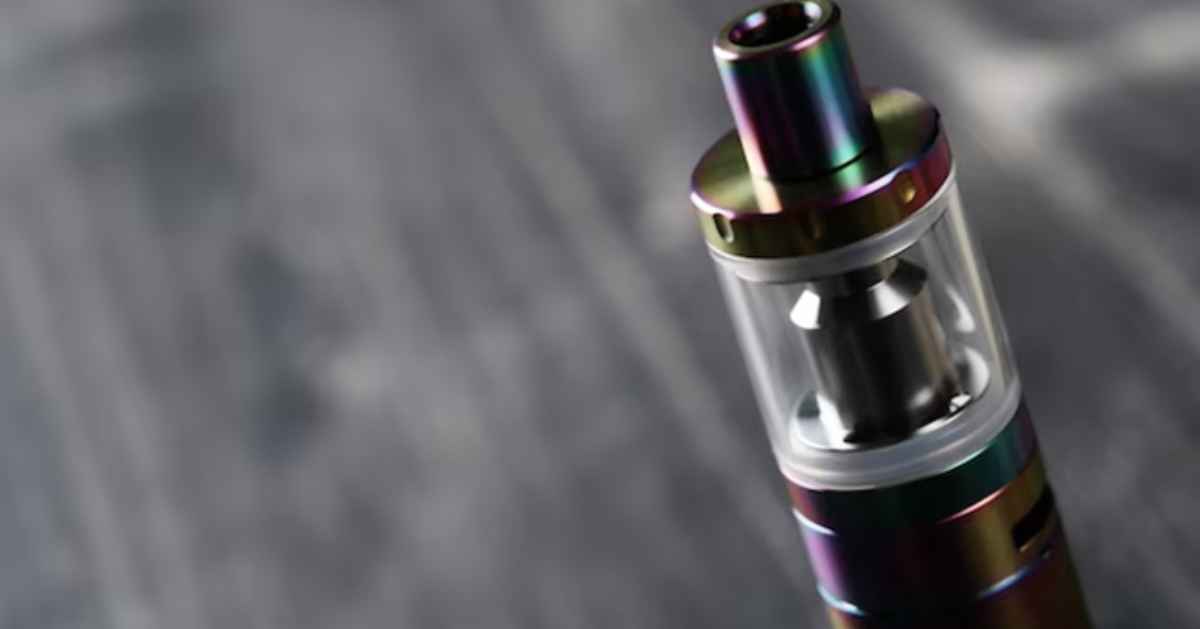
Decarboxylation removes carbon dioxide from THCA through heat exposure. As this reaction occurs, THC becomes available for interaction. Smoking and vaping provide rapid heating during use. Baking can create conversion through sustained temperature exposure. The method matters because temperature affects how much conversion occurs.
- Raw material keeps more THCA before heating.
- Heated flower produces more active THC.
- Vaping applies heat without direct combustion.
- Cooking can activate cannabinoids through sustained warmth.
Can Appearance Reveal The Difference?
Visual inspection offers few dependable clues about cannabinoid content. Green color does not identify molecular composition. Trichomes reveal resin production, not cannabinoid activation. Aroma also provides limited information about potency, thca and thc flower explained becomes clearer through chemical testing rather than visual inspection.
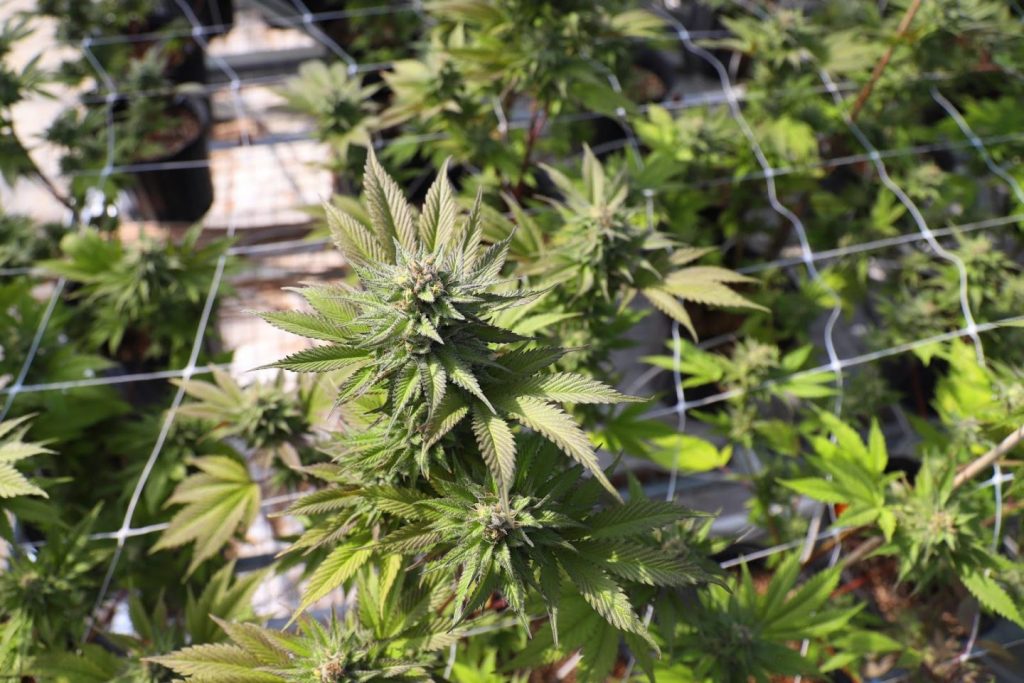
- Color cannot confirm cannabinoid concentration accurately.
- Scent does not reveal activation status.
- Resin indicates cannabinoid production, not conversion.
- Testing provides measurable chemical information.
What Makes Potency Labels Confusing?
Potency can involve both THCA and existing THC. A flower label may list each value separately. Potential THC estimates account for possible decarboxylation. Complete conversion remains an idealized calculation, though. Actual results depend upon heating conditions and material handling. Storage can also influence cannabinoid stability over time.
For practical reading, several details deserve attention:
- Check THCA and THC separately.
- Consider preparation before judging strength.
- Remember that heating changes composition.
- Treat laboratory figures as chemical measurements.
Chemical Form Shapes The Final Experience
The central distinction becomes clearer through preparation. THCA represents an acidic precursor before substantial heating occurs. THC represents the activated form created through decarboxylation. That difference explains why similar-looking flowers can behave differently. A small molecular change can alter practical use significantly.
A Small Chemical Change Matters
A raw flower can retain substantial THCA before heating. Once heat arrives, its chemistry begins changing. That transformation explains why preparation affects the final experience. The important detail is not appearance, but activation. A small molecular adjustment can change what the flower delivers.