Understanding How Dental Implants Eliminate the Need for Adhesives and Daily Removal Routines

The Evolution of Tooth Replacement Solutions

For decades, individuals facing tooth loss have grappled with the inconveniences of traditional dentures, from the daily ritual of removal and cleaning to the reliance on adhesive products to keep false teeth securely in place. The landscape of restorative dentistry has undergone a remarkable transformation, however, with dental implants emerging as a permanent solution that mirrors the function and appearance of natural teeth. Unlike their removable predecessors, these titanium fixtures integrate directly with the jawbone, offering a level of stability and convenience that fundamentally changes the experience of tooth replacement.

The shift from traditional dentures to implant-based solutions represents more than mere technological advancement. It reflects a deeper understanding of how tooth loss affects quality of life, from the psychological impact of removable prosthetics to the practical challenges of maintaining oral hygiene with conventional alternatives. Those considering dental implants in Plymouth often cite the desire to eliminate adhesive dependence and nightly removal routines as primary motivations for exploring this permanent option.

How Dental Implants Achieve Permanent Stability

The secret to the adhesive-free nature of dental implants lies in a biological process called osseointegration. When a titanium post is surgically placed into the jawbone, the surrounding bone tissue gradually fuses with the implant surface over several months. This creates a bond so robust that the implant becomes essentially indistinguishable from a natural tooth root in terms of stability and function. The result is a foundation that requires no external adhesives or fixatives to remain securely in position.

The Structure of Implant-Supported Restorations

A complete dental implant system comprises three distinct components that work in harmony to recreate natural tooth function. The titanium implant itself serves as the artificial root, anchored firmly within the jawbone. An abutment connects to the top of the implant, protruding through the gum tissue to provide a mounting point. Finally, a custom-crafted crown attaches to the abutment, replicating the visible portion of the tooth with remarkable authenticity. This three-part structure eliminates any need for the adhesive products that denture wearers must apply daily.

Freedom from Daily Maintenance Rituals

Traditional denture wearers follow a nightly routine that involves careful removal, thorough cleaning in specialised solutions, and overnight storage in water or cleaning fluid. This process, whilst necessary for denture longevity and oral health, serves as a constant reminder of the artificial nature of the restoration. Dental implants, by contrast, remain permanently in place and require only the same brushing and flossing routines used for natural teeth. There are no special cleaning solutions to purchase, no overnight soaking requirements, and no morning ritual of reapplying adhesive before facing the day.

The psychological benefits of this permanence extend beyond mere convenience. Many individuals report feeling self-conscious about removing dentures, particularly in social situations or when travelling. The fixed nature of implants eliminates these concerns entirely, allowing wearers to eat, speak, and smile with complete confidence. For those weighing their options, comparing the long-term implications of dentures versus implants often highlights these lifestyle considerations as decisive factors.

The Practical Advantages of Adhesive-Free Tooth Replacement

Beyond the obvious convenience, eliminating adhesive products offers several practical benefits that affect daily life. Denture adhesives can alter the taste of food, create uncomfortable residue in the mouth, and require regular reapplication throughout the day for optimal hold. Some individuals develop sensitivities or allergic reactions to adhesive ingredients, adding another layer of discomfort to an already challenging situation. Understanding the comprehensive differences between implants and alternative solutions helps clarify why many opt for permanent fixtures.

The financial aspect also merits consideration. Whilst dental implants in Plymouth and elsewhere represent a significant initial investment, the ongoing costs associated with denture maintenance—including adhesives, cleaning solutions, and periodic replacements—accumulate substantially over time. When evaluating which tooth replacement option best suits individual circumstances, factoring in these long-term expenses provides a more accurate cost comparison.

Embracing a More Natural Approach to Tooth Replacement

The transition from removable dentures to permanent implants represents a fundamental shift in how tooth loss is addressed. By eliminating the need for adhesives and daily removal routines, dental implants restore not just function and aesthetics, but also the dignity and ease that comes with teeth that behave like natural ones. For those tired of the inconveniences associated with traditional prosthetics, this permanent solution offers a path towards reclaiming a more natural, confident approach to oral health.

Reliable HPRG Medical Offices Support Stable Operations During Practice Relocations

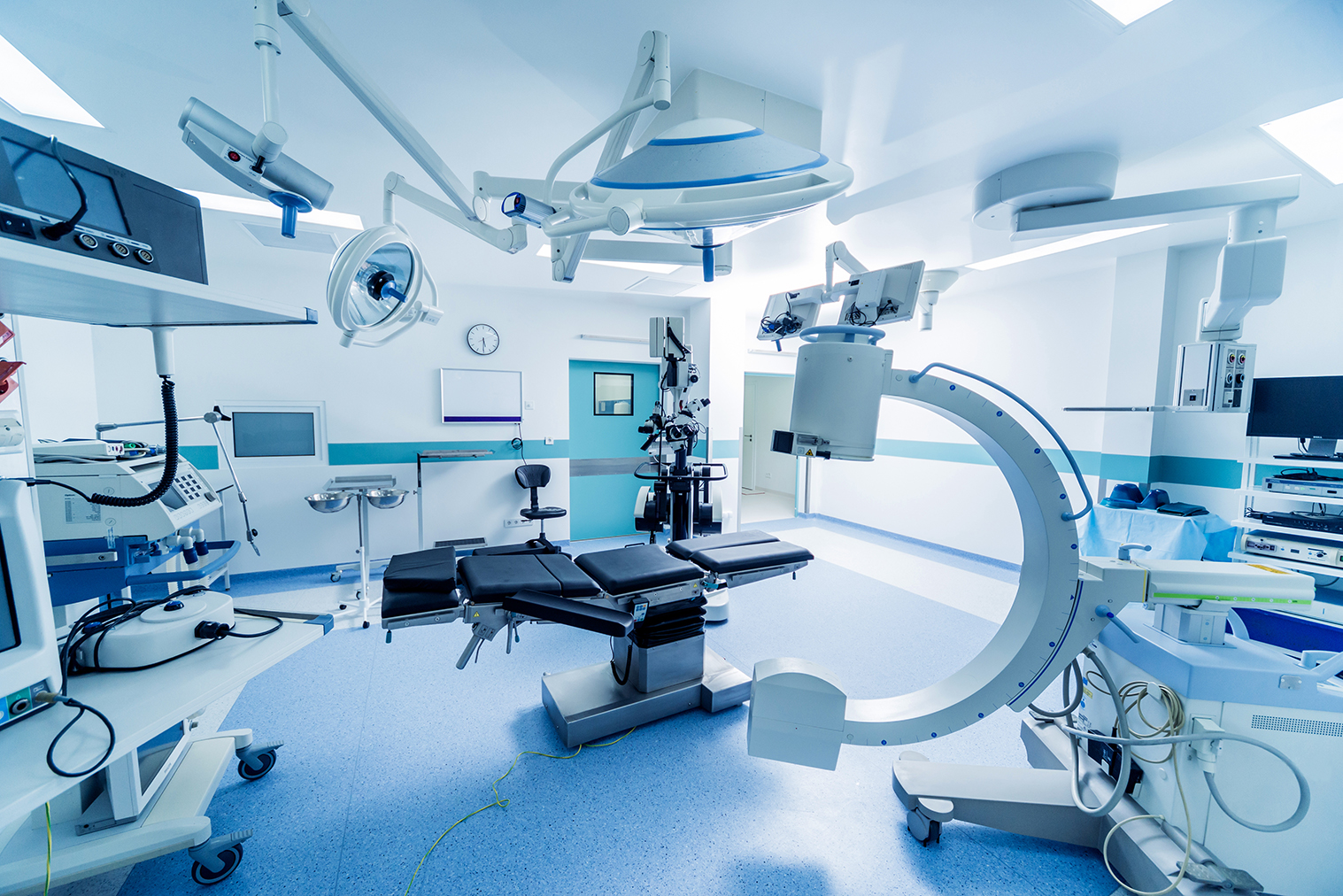
Moving a healthcare practice requires more than transferring equipment to another property. Careful preparation helps daily work continue with fewer interruptions. Teams can learn more about relocation needs while reviewing rooms before making commitments. Suitable spaces should support staff duties plus patient care from the opening day. Clear planning also reduces confusion during each stage of the move.

Early Planning Reduces Moving Pressure

Relocation planning should begin well before the expected moving date.Managers need enough time to review rooms plus building conditions.

Early checks reveal problems that could delay normal practice activities.Clear schedules also help different teams understand their responsibilities.

Space Reviews Protect Daily Work

Every new property should match expected daily working requirements.Room sizes need careful checks before equipment positions are decided.

Storage capacity should suit regular supplies plus future operational needs.Movement routes must also remain clear during busy working periods.

Preparing Rooms Before Staff Arrive

New rooms should be ready before regular activities begin.A detailed preparation process can prevent avoidable delays after relocation.

  • Measure treatment rooms before moving large equipment into position.
  • Confirm electrical outlets support devices used throughout normal working hours.
  • Check water connections before assigning rooms requiring regular supply.
  • Review storage capacity for supplies needed during everyday care.
  • Test lighting levels across rooms used for detailed daily tasks.
  • Confirm waiting areas provide enough seating during busy appointment periods.
  • Inspect door widths before transporting larger furniture through the property.
  • Prepare staff areas before normal schedules begin at relocation.

learn more

Communication Keeps Teams Properly Coordinated

Staff members need clear information about the moving schedule.Responsibilities should be assigned before packing or equipment transfer begins.

Regular updates reduce uncertainty when moving dates or arrangements change.Simple communication also helps departments prepare their own working areas.

What Helps Practices Maintain Operations During Relocation?

Stable operations depend on knowing which activities must continue throughout the move. Managers should identify important duties before deciding when each room will transfer. Appointment schedules may need temporary changes to reduce pressure. Equipment should move according to planned working needs. Records must remain available throughout the process. Staff should also understand where required supplies will be stored.

Careful timing reduces the chance of several important services becoming unavailable together. During property preparation, teams can learn more about building limits before moving sensitive items. Testing rooms early gives managers time to correct problems. A staged move may also protect routine work.

Building Services Need Early Checks

Power plus water services should work before equipment installation begins.Ventilation should provide comfortable conditions throughout occupied rooms.Early testing gives repair teams enough time to correct identified concerns.

Common Relocation Questions from Practice Teams

Teams often raise simple concerns before moving into a different healthcare property.

  • When should relocation planning begin? Planning should start several months before moving.
  • Should appointments continue during moving days? Reduced schedules may protect regular patient care.
  • Who should manage equipment transfers? Assigned staff should coordinate each planned equipment movement.
  • When should new rooms be tested? Testing should happen before normal services begin.
  • Should every department move together? Separate stages may reduce disruption across working areas.
  • What happens to stored records? Records require secure handling throughout the relocation process.

Consistent Follow Through Builds Stability

Successful relocation depends on steady preparation across every moving stage. Clear responsibilities keep teams focused while careful checks reduce disruption. Property readiness should receive the same attention as equipment transfer timing. Regular follow-through keeps small issues from becoming larger operational problems. Consistency creates dependable results even when every relocation detail is not perfect.