
Math Puzzle Fans Find Number Challenges Inside Brain Training Unblocked Games
Figures appear in almost every choice made across an ordinary day. Shopping totals, recipe measures, and budget plans all depend on quick mental sums. Plenty of students now treat quizzes for fun as a relaxed route toward stronger arithmetic. Browser collections at school offer logic riddles, sequence tasks, and timed equations. These small exercises sharpen focus while building confidence about solving problems alone. What follows explains how such activities work, where they help, plus their limits.
How Sums Become Play
Arithmetic feels lighter when it arrives as a short timed round. Instead of worksheets, learners face small riddles that reveal answers instantly. Each correct response builds a sense of steady progress. Mistakes appear quickly, so they get fixed before poor habits form.
Common Formats Seen Today
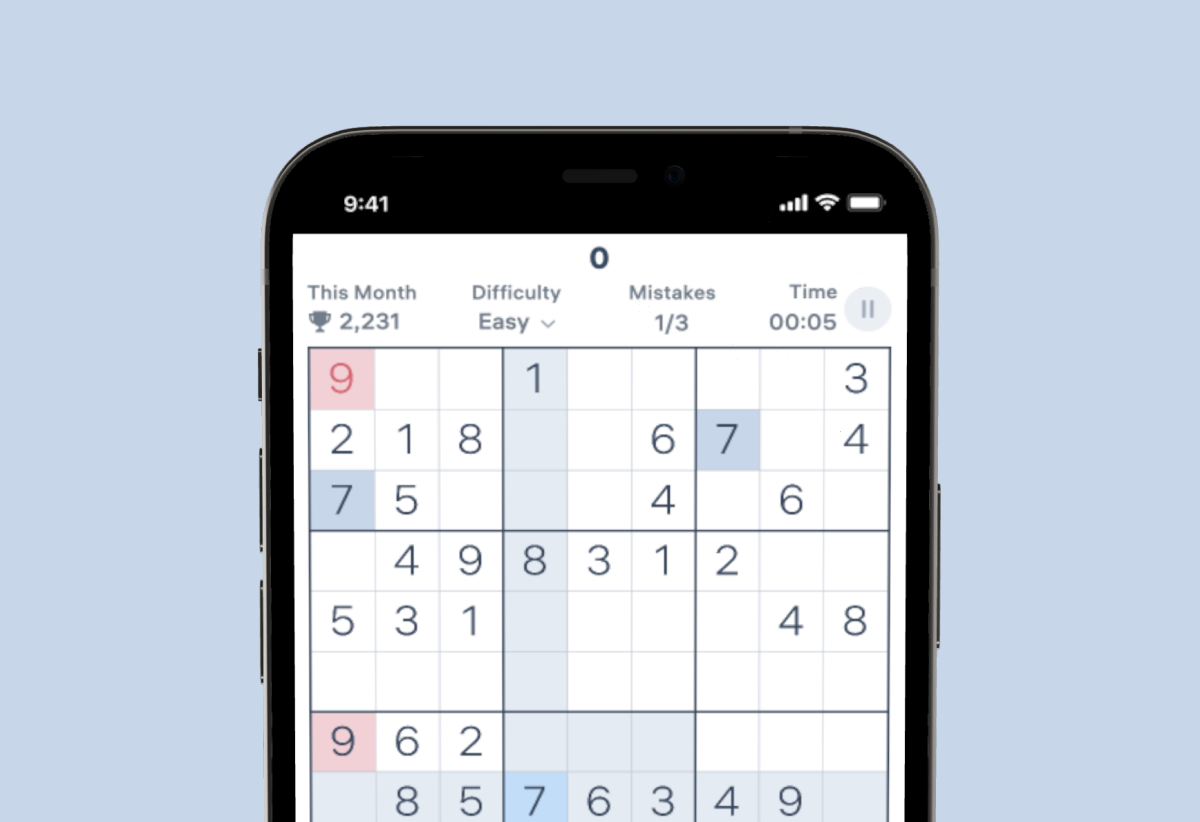
Most school-friendly collections now include sequence riddles, grid logic tasks, and quick equation drills. Some formats ask learners to fill missing figures inside a pattern. Others present a target total that must be reached using given digits. Difficulty usually climbs slowly so beginners stay engaged without feeling lost.
Skills Built Through Regular Practice
Short daily sessions train more than simple adding or subtracting. Several thinking abilities improve together when practice stays steady.
- Mental addition becomes quicker after repeated exposure to timed rounds.
- Pattern spotting improves when sequences demand finding the missing value.
- Working memory strengthens as learners hold several digits in mind.
- Logical reasoning grows through grid tasks that allow one correct answer.
- Estimation skills sharpen when rough guesses must beat a ticking clock.
- Patience develops because harder levels require calm thinking before clicking.
- Fraction sense deepens via visual tasks splitting shapes into parts.
- Self-checking habits form as students review mistakes after each attempt.

Classroom Use Without Pressure
Teachers often add brief numeric rounds at the start of lessons. Setting aside ten minutes for quizzes for fun helps anxious students relax before harder topics. Scores rarely count toward grades, which keeps the mood light. Group rounds also encourage peers to explain answers to one another.
How Much Daily Practice Actually Improves Arithmetic Ability?
Most educators suggest about fifteen minutes on most days of the week. Short sessions keep attention high while avoiding mental fatigue. Spreading practice across the week usually works better than one long sitting. Steady repetition helps new methods settle into long-term memory.
Results differ from one learner to another depending on starting level. Some notice faster sums within two or three weeks. Others need a full month before progress becomes clear. Tracking scores in a notebook makes small gains easier to see.
Limits Worth Keeping in Mind
Browser riddles cannot replace structured lessons from a qualified teacher. Long sessions late at night may also disturb sleep for younger students. Balance matters more than the count of rounds completed.
Tracking Growth Over Several Weeks
A simple log shows whether practice is producing real improvement. Write down the date, the format attempted, plus the score reached. Reviewing this log each weekend highlights formats that still feel difficult. Adjusting focus toward those weak areas leads to more balanced skills.
Common Doubts Answered (FAQ)
- Do these numeric quizzes require any downloads? Most run directly inside a web browser without installation or account creation.
- What age suits these arithmetic riddles best? Children from seven years upward usually manage beginner levels without adult help.
- How long should one session last? Ten to fifteen minutes keeps attention sharp while preventing tiredness or frustration.
- Will timed rounds stress younger learners? Some may feel pressure at first, so untimed modes offer a gentler start.
- Do adults gain anything from numeric riddles? Adults often report quicker everyday calculations after several weeks of regular practice.
- How should progress be measured over time? Recording weekly average scores in a notebook shows clear trends across months.
Steady Habits Shape Clearer Thinking
Numeric ability grows from patient repetition rather than occasional bursts of effort. Varied formats, honest score logs, and sensible session lengths together form a reliable routine. Weak areas deserve extra attention once weekly reviews reveal them. Start tomorrow by picking one format, then practice for fifteen minutes. Perfect scores matter less than showing up again the next morning.


